
.svg)
.svg)
.svg)

.svg)
27
May
2026
-
Rémi Le Druillenec
Written for Eric Briones' book "Luxe Renaissance"
Ever since the concept of branding has existed, luxury houses have constantly evolved to ensure their survival. In an age where everything is copied, commented on, and replaced with just a few swipes, they now seem to be venturing into new territory: hospitality, one of the most natural expressions of transformative luxury. A luxury that no longer merely seduces, but evokes emotion. This shift is not a sudden turn. It is part of a logical progression: every era pushes brands to explore new frontiers to renew their value and strengthen their connection with their customers. Hospitality is the next step: a space where attention, presence, and the quality of the moment take center stage, and where relationships once again become true capital.
In a highly volatile environment, hospitality is no longer a symbolic gesture but a strategy for building a strong foundation. It is a way to make the brand more memorable, more relatable, and to create a new form of customer loyalty. Becoming a host is not a change of profession, but the natural evolution of a House that understands its power no longer rests solely on what it sells, but on how it supports, welcomes, and brings its world to life.
Brands: The New Masters of the World
Luxury has long been a stage, a setting for pomp and ceremony where luxury houses showcased themselves. Today, a different approach is taking hold: that of the host. Brands no longer seek merely to be admired; they are learning to welcome guests.
Being a host means preparing, anticipating, and welcoming. It means creating an atmosphere of trust, a setting where others feel expected, valued, and acknowledged. Hospitality is not a service; it is a culture that transforms the relationship between a brand and its audience. The visitor becomes a guest. Being a guest means entering the relationship with a different mindset. Unlike the visitor, the guest is no longer content to simply pass through: they prepare, participate, and influence the moment. Their presence becomes active, almost co-creative. They settle into the world, take their place in time, and become part of the circle that forms. This shift redefines the very nature of the connection. The brand no longer tells its story: it is experienced. It opens its doors, shares its time, reveals its behind-the-scenes. It offers genuine access to its most precious asset: its intimacy. Among all possible settings, the table stands out naturally. It engages the senses, creates connection, and slows down time. In a meal, everything speaks: the taste, the gesture, the rhythm, the attention. F&B thus becomes a strategic arena for the luxury of living.
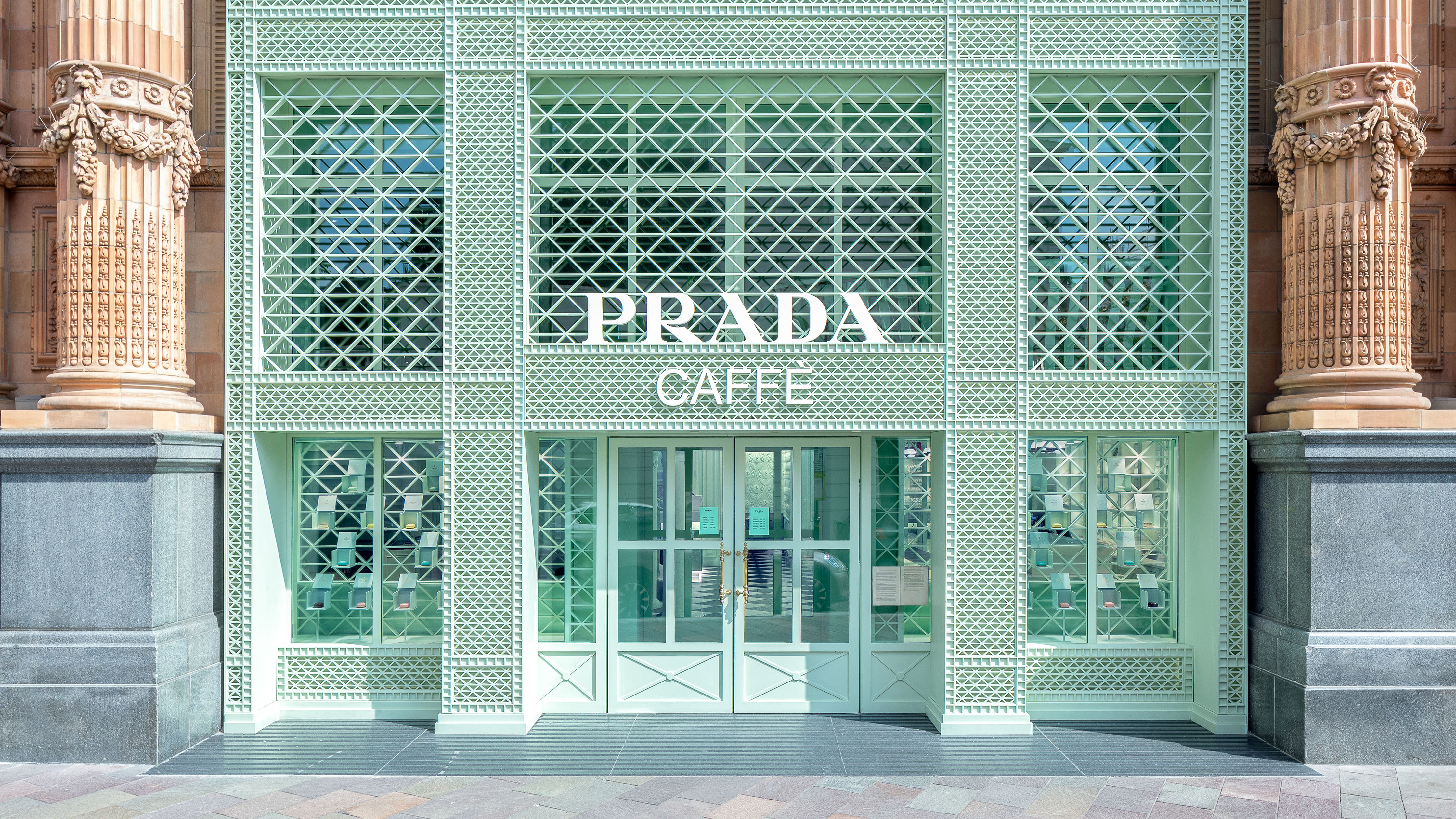
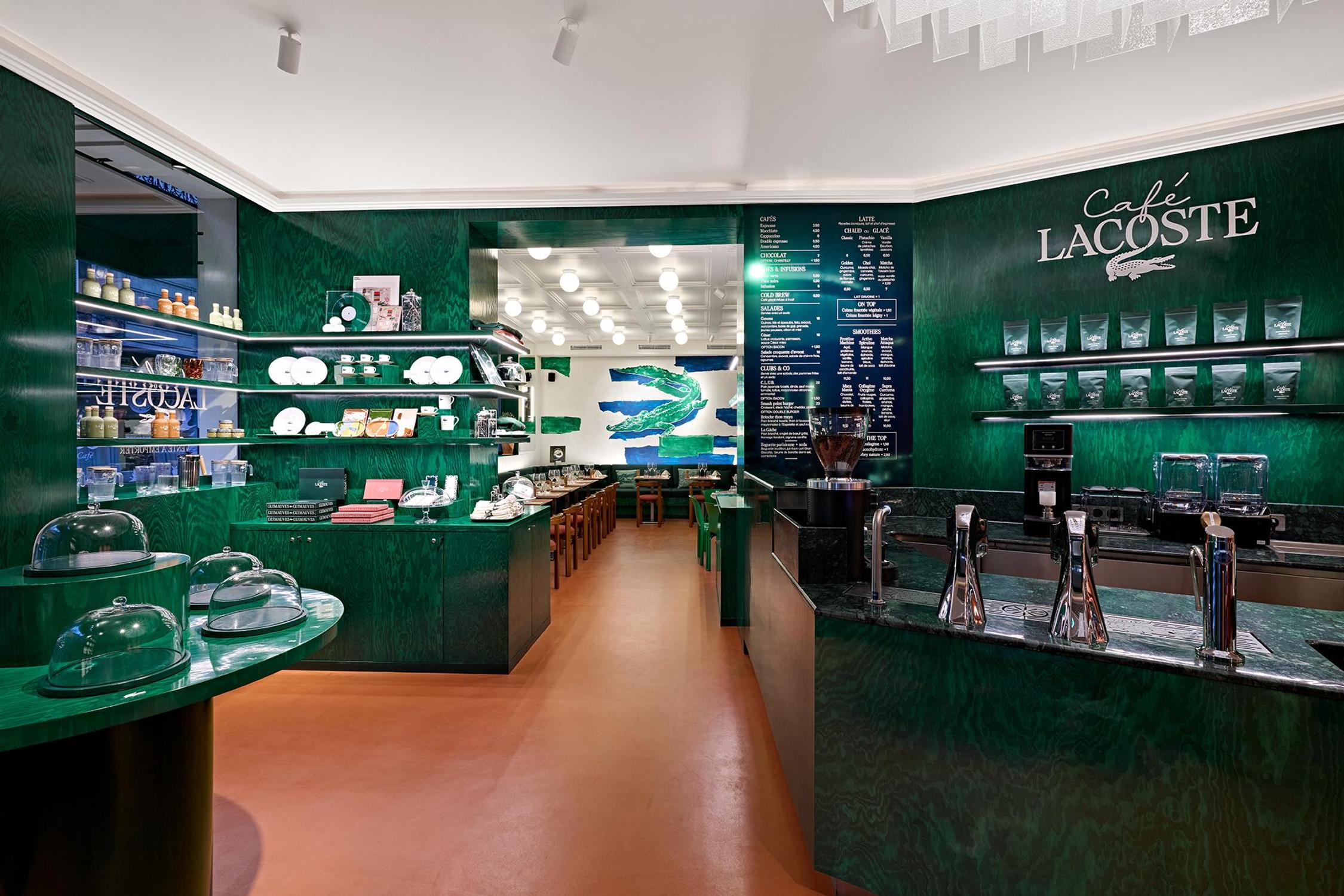
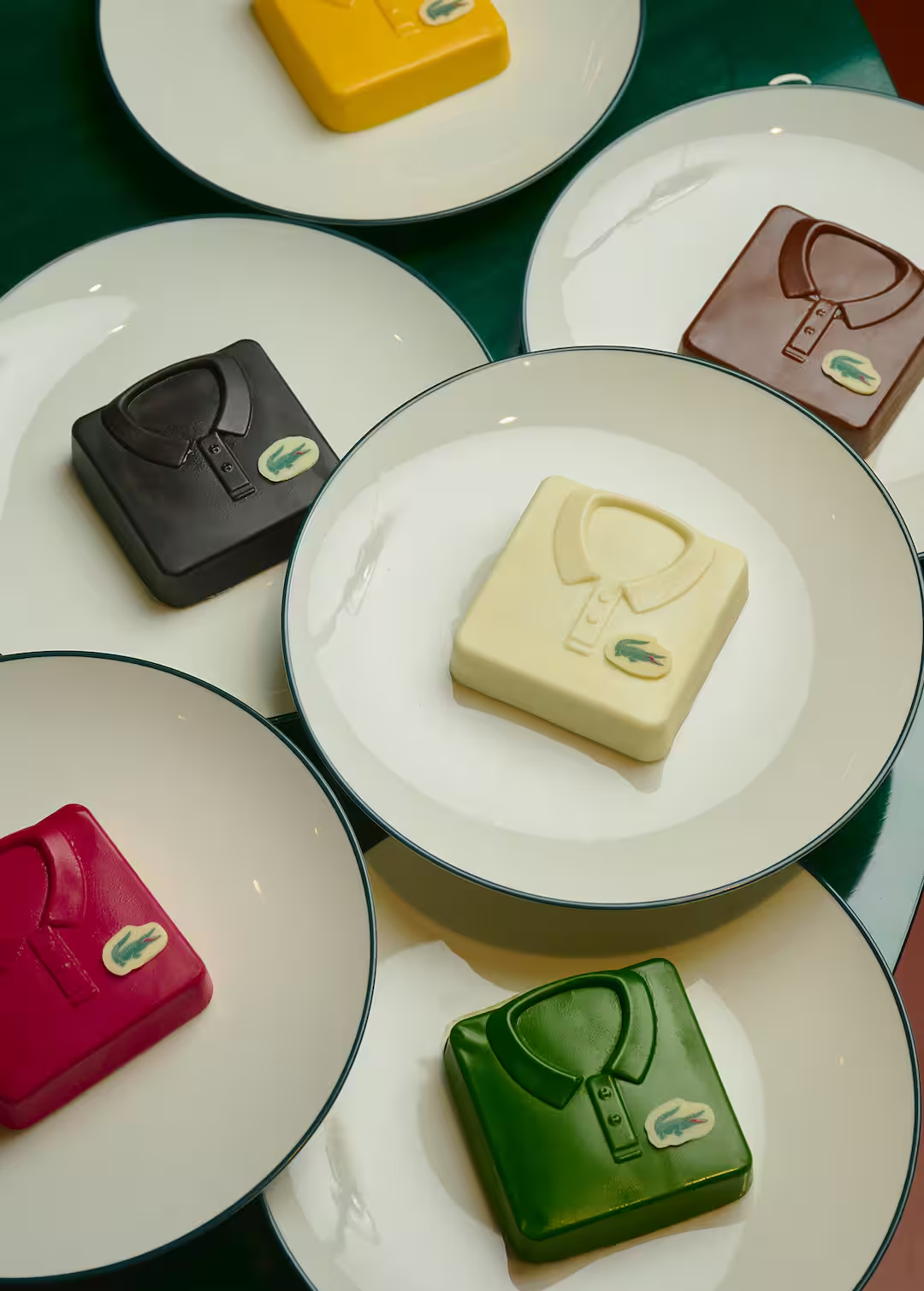
Through cuisine, craftsmanship, and a warm, welcoming atmosphere, brands have found a universal language: that of generosity. Through cafés, restaurants, lounges, and culinary experiences, they are rediscovering the art of hospitality. They are rediscovering the power of the connection that forms when people sit down together. This movement responds to a strong generational expectation: a luxury that is more sensory, more relational, and more experiential. The new generations are not looking for a status symbol; they are looking for a sign of care. Brands are thus literally becoming the world’s new hosts.
The secret recipe for transformative hospitality
If brands are to become the hosts of tomorrow, one question remains: What sets a meal apart from a memorable experience? What turns a meal into a memory? What creates that connection?
At Héroïne, we start with a simple belief: emotion isn’t just a bonus—it’s a driver of performance. This is the essence of our R.O.X.™ (Return On eXperience) method, which structures the experience around five pillars to conceptualize, choreograph, and measure the emotional value of a moment. Applied to hospitality, these pillars become five ingredients: a proprietary recipe that transforms the dining table into a space for connection, rather than just a place to eat. A hospitality that doesn’t just welcome, but brings people to life.
Immersion: The Temple of Resonance.
It is the way a restaurant instantly reveals the essence of its world. Even before the first course arrives, you know exactly where you are. A color, a texture, a gesture, or a scent is all it takes to set the scene. The space becomes a temple of resonance where everything vibrates to the brand’s rhythm, without the need to spell it out everywhere.
The Experience: The Art of Luxury Dining.
It is the art of orchestrating the moment. There are rules, a kind of process, a balance of ingredients. Each element finds its place, just like in a recipe. It is precisely this invisible choreography that defines its unique dining experience and makes it a seamless journey.
The proof: the art of attention.
The techniques, the expertise, the mastery. Everything that makes a House’s excellence tangible: not what it says, but what it shows, what it transforms and elevates.
The service: the hallmark of the brand.
It’s about the connection, the tone, the warmth. It’s the way the House engages with its guests and establishes its signature rituals. This welcoming approach transforms every guest into a VIP.
Sharing: The Living Circle.
It’s a place where people come together, where they make plans to meet. A moment in the present that lingers in what remains afterward. The experiences shared circulate, are recounted, and make people want to come back. The embodiment of the brand in everyday life.
These five ingredients define the grammar of transformative hospitality.
And to appreciate their power, one need only observe how a brand like Gucci brings them to life in its Osterie: not as a theory, but as a living language.
Hospitality Strategy: When Gucci Becomes the Maestro of Transformative Hospitality
The Gucci Osteria experience illustrates how a brand can evolve its hospitality from a simple service offering into a truly transformative luxury experience, capable of altering the guest’s inner state as much as their perception of the brand. From Florence to Tokyo, from Seoul to Beverly Hills, each Osteria plays the same score without ever producing the same melody: local variations on a common theme, like a capsule collection of hospitality designed for each city. The House thus establishes its own distinctive, instantly recognizable way of welcoming guests, where the meal becomes a pretext for total immersion in the Gucci universe.
Immersion: The Temple of Resonance
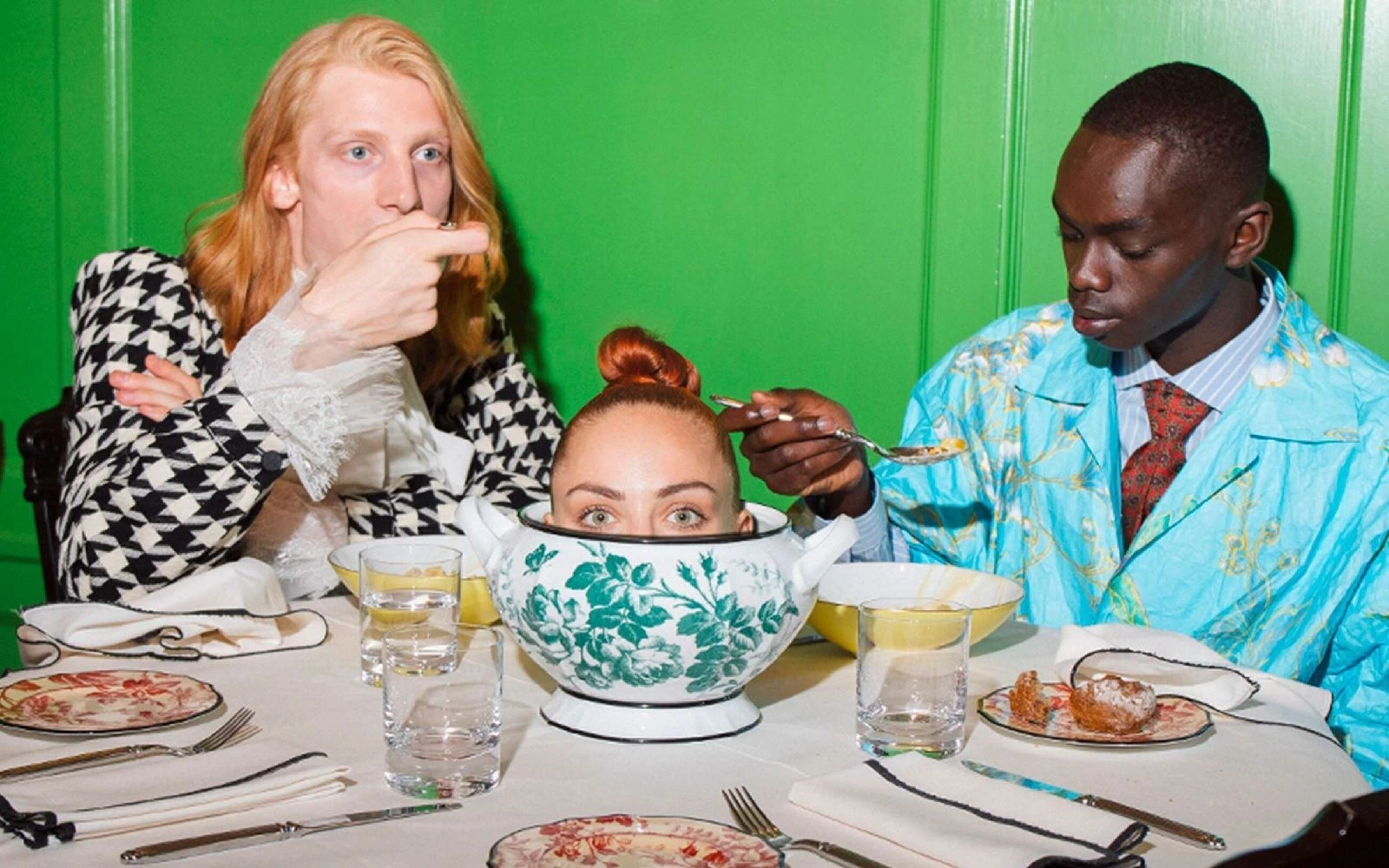
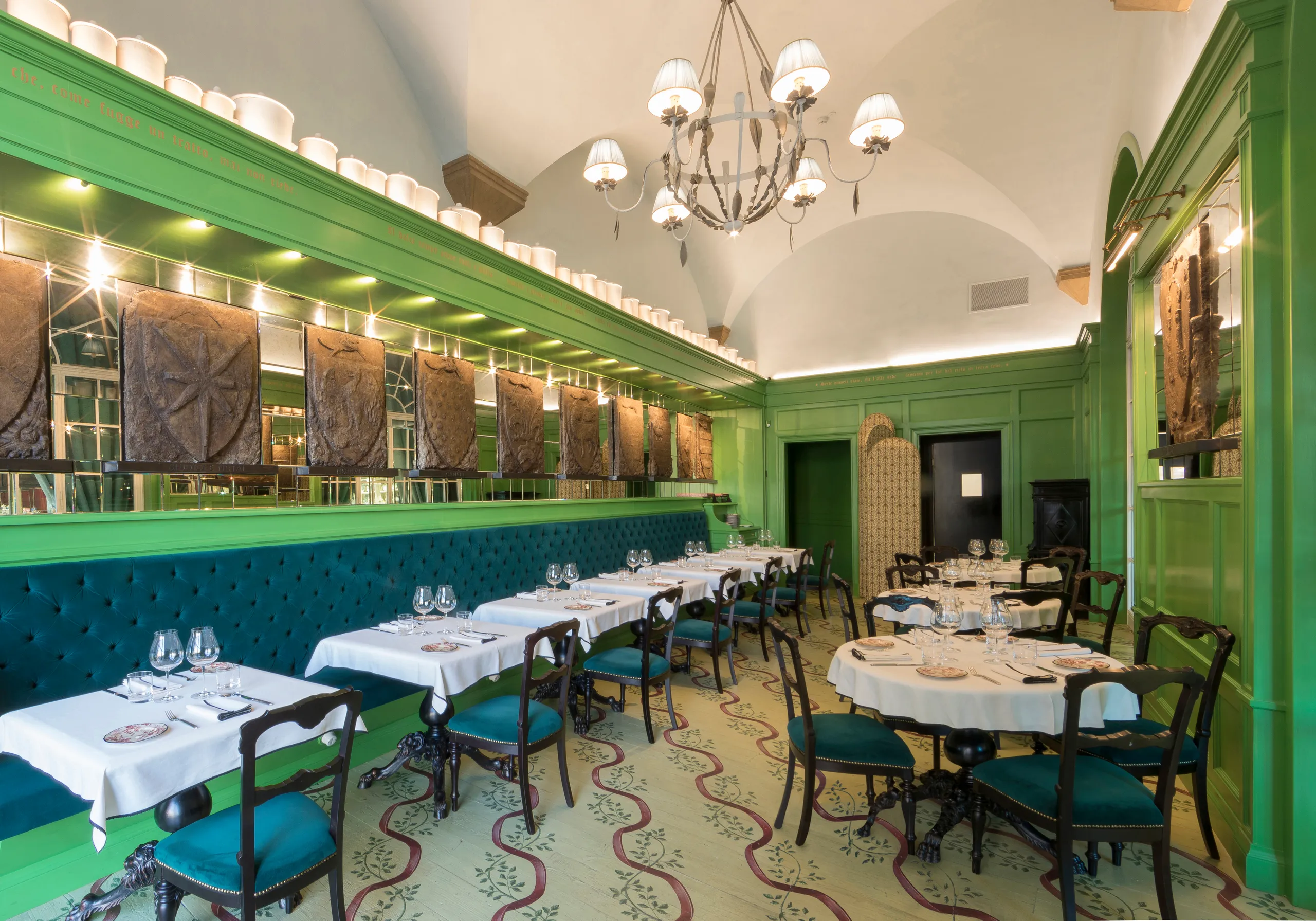
The moment you step inside an Osteria, the transformation is immediate. Emerald walls, cherry-red velvet, Italian mosaics, Gucci Décor wallpaper: the space encapsulates the House’s signature style without ever drawing attention to it. The logo recedes into the background; the identity is expressed through subtle influence rather than overt assertion. You no longer visit a Gucci restaurant; you enter a room in its Florentine home. This ability to instantly create an interior—a space where time slows down and perception settles—constitutes the first act of transformative luxury: offering an elsewhere that allows for a different way of hosting.
Usage: Luxury Nutrition
Here, the meal is not conceived as a succession of courses but as a lifestyle experience of the moment, where each sequence finds its rightful place within a carefully planned rhythm. The menu captures the spirit of the House: on one hand, the rigor of an Italian trattoria committed to the seasons and ingredients; on the other, the visual whimsy of an Emilia burger served on Ginori porcelain or tortellini transformed into small, edible “couture pieces.” This “luxury diet” avoids excess and favors a slower pace that leaves room for conversation, for observing the space, and for attention to detail. It is no longer just about orchestrating a meal but about offering a way to inhabit time, to propose to guests a different rhythm, more aligned with the idea of luxury experienced as a respite rather than a performance.
Evidence: The Art of Paying Attention
At Gucci Osteria, the proof is never ostentatious. It is expressed through markers of excellence: Ginori plates, hand-blown glasses, embroidered tablecloths. No flashy effects, just markers of excellence. The open kitchen reveals the unadorned gestures: precision, repetition, mastery. This transparency is enough to inspire confidence. We see how things are made, and why they matter. The proof then becomes a driving force of transformative luxury: it puts what cannot be copied—work done well—back at the center. The dish is no longer a product to be consumed, but a gesture of care received.
Service: The Taste of the Brand
The service does more than simply reflect Gucci; it embodies its spirit. The staff do not merely recite the House’s values—they live them. Controlled spontaneity, warmth without familiarity, anecdotes shared with ease: every interaction reflects a unique relational style that is distinctly Gucci. This “Italian-style” service is not a style but an attitude. The server becomes a translator: he translates the House’s spirit into a welcoming gesture. This approach overturns the traditional mechanics of luxury—often experienced as a silent protocol—to establish a host-to-guest relationship, where one feels welcomed, valued, and recognized. Service then becomes a catalyst for emotional transformation.
Share: The Living Circle
Sharing doesn’t end at the table. It extends beyond the meal to create a vibrant community centered around the restaurant. The gourmet shop allows guests to take home a piece of their experience—Italian cookies, pasta, limited-edition items—that serve as mementos, bringing the experience back to life in their daily routines. The decor, menus, and graphic details naturally encourage photo-taking and storytelling afterward, without ever feeling like forced social media engagement. Each Osteria becomes an emotional anchor: a place to return to, to meet loved ones, and to build habits. Sharing is no longer merely a tool for visibility; it becomes a mechanism of attachment that anchors the establishment in the real lives of its guests. The experience does not end with the bill; it continues to shape connections and habits, ultimately fostering a sense of intimate community around the venue and Gucci.
Gucci Osteria demonstrates what a fashion house becomes when it fully embraces its role as host: a world that welcomes, connects, and leaves a lasting impression. It offers a form of hospitality that is not merely generous—it transforms.
This is the very essence of transformative luxury: a luxury that evokes emotion, creates connections, establishes emotional anchors, and shifts the value of the product toward the quality of the moment and the relationship.
Hospitality is therefore not a side project: it is a new way of being for brands—one that is more embodied, more sensitive, and more relational. Welcoming guests is not simply about adding a café to one’s ecosystem; it is about accepting that emotional performance matters just as much as commercial performance. The dining table then becomes the ideal laboratory for transformative luxury: a space where one can experience, on a human scale, what it means to immerse, orchestrate, demonstrate, serve, and share.
The brands that master this kind of hospitality will gain not only visibility, but also preference, loyalty, and a strong foothold. They will no longer be mere signatures: they will become living spaces.
Chapter written for Eric Briones' book "Luxe Renaissance"
Héroïne is the art of designing experiences that leave a lasting impression. Scenography, space design and sensitive storytelling at the service of your world and the people who inhabit it.



.webp)


.webp)
.svg)

.svg)