
.svg)
.svg)
.svg)

.svg)
15
December
2025
-
Rémi Le Druillenec
Written for Luxus+ - When prices rise faster than perceived value, what does the luxury sector have left to offer?
The term "luxury fatigue" is often used. In reality, it does not accurately describe the situation. The data shows a simpler and more severe reality: perceived value no longer follows the price curve. Since 2019, several categories have increased by 40 to 50%. At the same time, perceived quality has not improved and in some cases has deteriorated. As a direct result, 60% of clients have given up on their purchases (EY 2025). At the same time, 71% of Gen Zers buy knockoffs, not out of carelessness, but because they consider the price/value equation to be insufficient. This "fatigue" is therefore not a decline in desire. It is the logical consequence of a model where price advances faster than the demonstration of excellence. The success of 24-karat gold in China confirms this shift. Brands such as Laopu Gold are thriving because their value is verifiable: purity, weight, price per gram, certificate. Nothing is left to interpretation. The message sent to the luxury sector is clear: where proof is immediate, trust is maintained. Where it is lacking, mistrust sets in. In this context, brands can no longer rely solely on their narrative. They must move from a logic of assertion to a logic of demonstration. This is the shift to storyproving: a model where value must be tangible, visible, and consistent with price. From now on, the question is no longer "what does the brand say?" but "what does it really show?"
Back to basics, to give meaning
The first change is a return to the original business, not as a heritage element, but as active proof. Nespresso is one of the brands that illustrates this shift very well. For twenty years, its premium positioning was based on technology: machine design, capsule engineering. This held true as long as the price difference remained acceptable to customers: €0.50 per capsule, three times more expensive than a traditional coffee bean. This model has cracked. Technology no longer explains the price: it is standardized and expected. The value proposition must become tangible again.

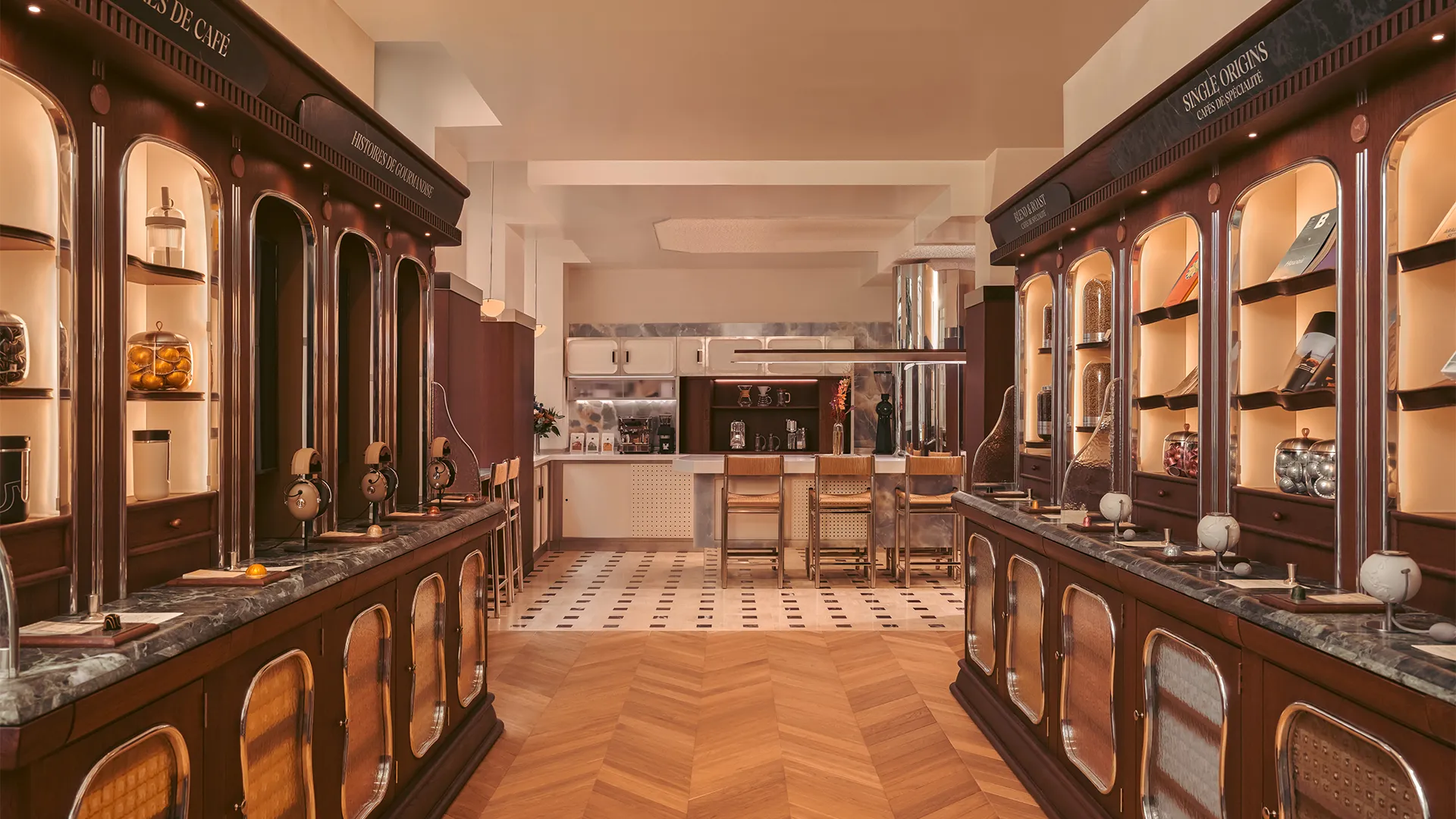
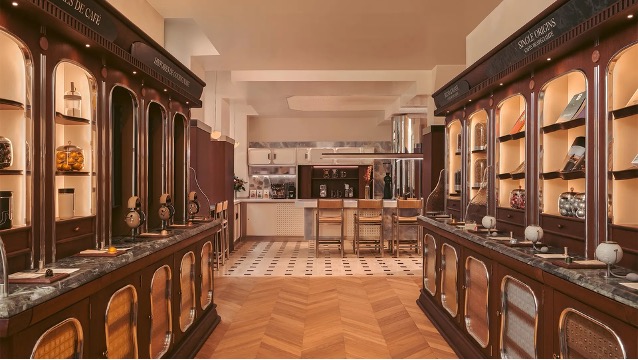
With the opening of its first Nespresso Maison in the Marais district, the brand is abandoning its industrial approach to showcase what it does best: coffee roasting. In this 17th-century mansion, exceptional coffee beans are freshly ground and extracted by baristas using traditional methods.
The rules are changing radically. Materials are becoming more authentic. Raw materials are taking center stage: beans are on display, roasting processes are transparent. The stages of cultivation, harvesting, and processing are regaining their importance. Freshly brewed coffee, expert baristas, tastings: everything reestablishes Nespresso as a coffee house, and no longer just a capsule seller. The price is no longer justified by technology, but by expertise.
Craftsmanship as the DNA for enhancing creativity
While the prices of iconic bags sometimes exceed their perceived value, customers are no longer just buying a logo: they want to witness a demonstration of artisanal genius. In a post-YOLO ("You Only Live Once") era, where YONO ("You Only Need One") is becoming the norm, every purchase becomes a statement of discernment. Buying less but better means that each item expresses a palpable authenticity, a perceptible extra soul.
For some brands, craftsmanship is not a selling point: it is part of their DNA. Their value is based on genuine, masterful expertise that is evident in both their products and their stores. This consistency is the primary driver of trust. They do not seek to convince: they make quality self-evident. For them, craftsmanship is not a story of origin but an internal standard that guides creation, sets the expected level, and structures the entire execution chain.
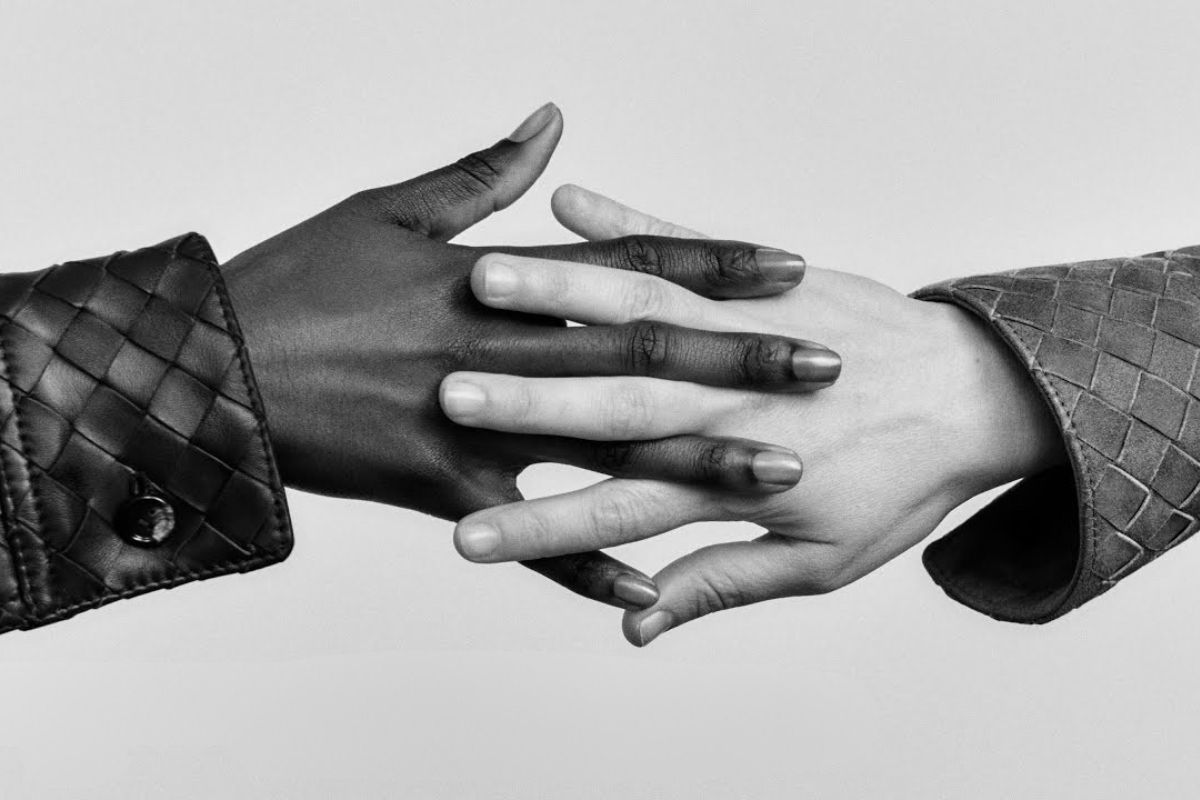
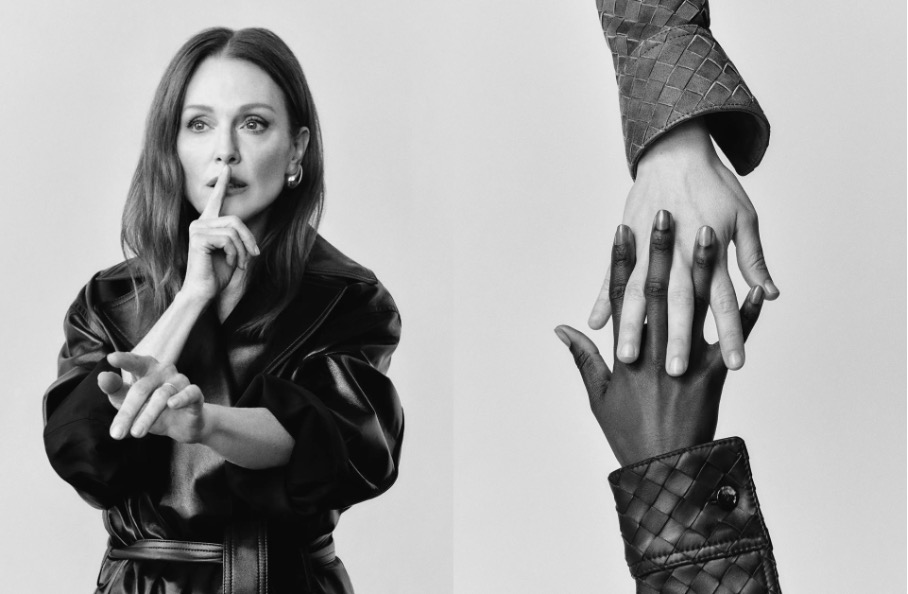
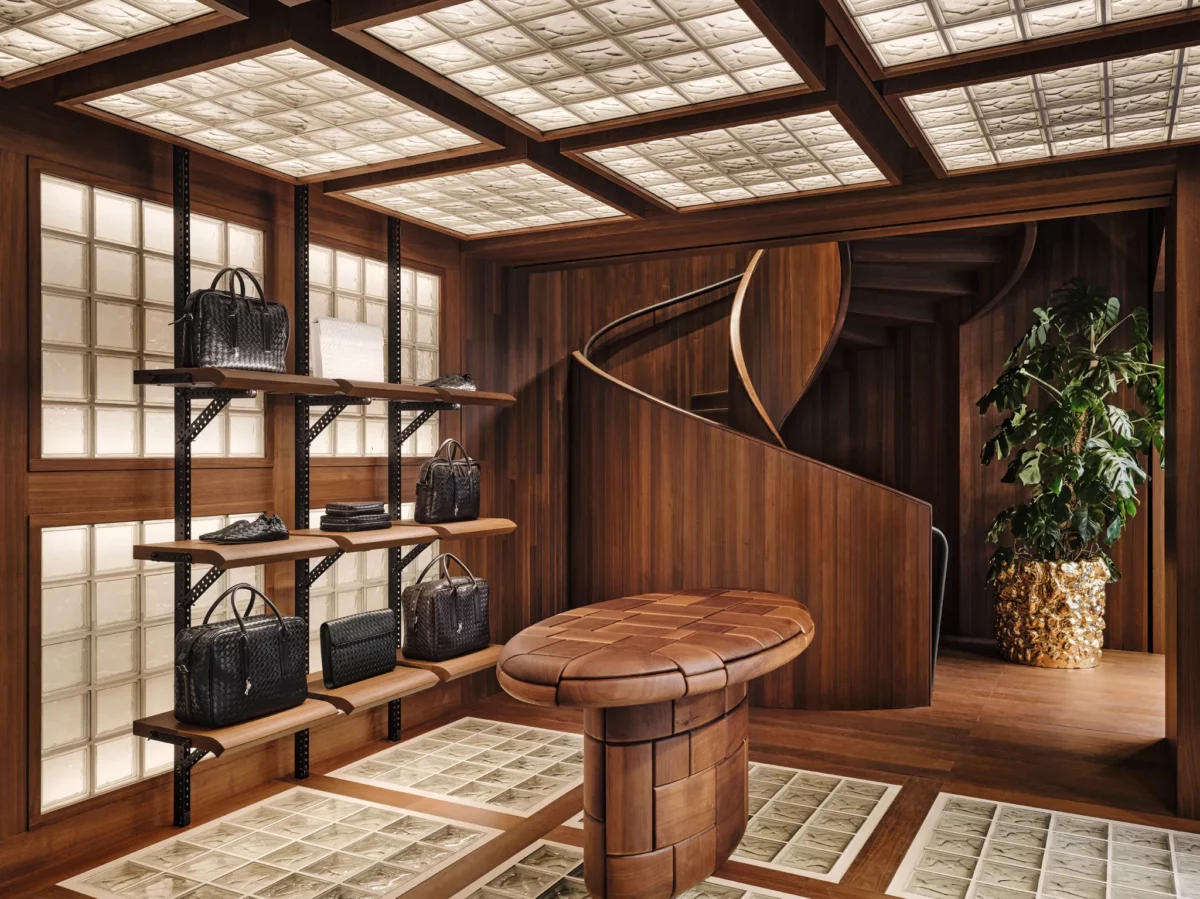
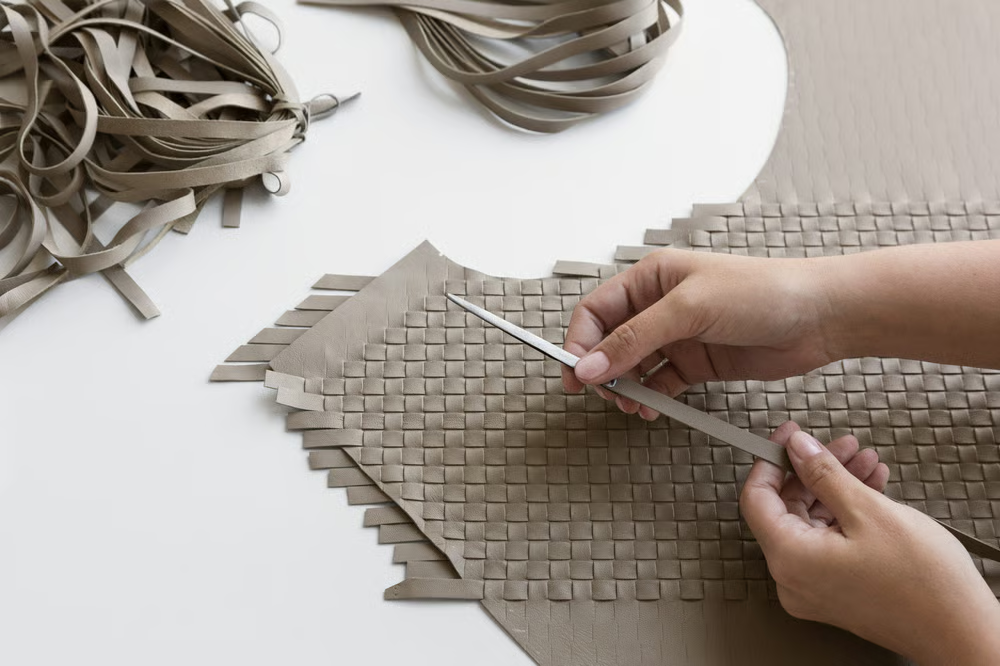
Bottega Veneta states it unequivocally: "Craft is our language." In its boutiques, the Venetian fashion house does not talk about craftsmanship: it infuses it. The workmanship of the materials, the interpretation of the iconic Intrecciato weave in the wooden furniture, the seats, the XXL woven sofas: everything reflects skill and mastery. The boutique does not showcase the product: it becomes another piece of craftsmanship, a physical extension of the House's expertise.
The Certificate of Craft extends this logic over time. It is a lifetime guarantee offered by the House on certain iconic bags, with repairs and refreshments provided free of charge for as long as the customer owns the item. The House places its quality under responsibility, not under declaration. The customer does not buy an object, but a promise of guaranteed durability.
Gestures, to build the myth
Craftsmanship, long hidden behind shop windows, is now becoming an intimate spectacle. This transparency transforms expertise into a visual language of truth: consumers see, understand, and believe. But without a century-old heritage, new brands must establish their legitimacy in other ways.
Jacquemus achieves this through content. In its campaign for its Le Turismo bag, the brand does not claim "Made in Italy" expertise: it demonstrates it with the brand's own tone of voice and poetry. The video immerses viewers in the world of fashion design with a powerful narrative that creates an emotional connection. The sequence takes us deep into the workshops, filming the gestures as they happen, detailing the steps and stitches, and anchoring the materials and colors in a specific Italian imagination.
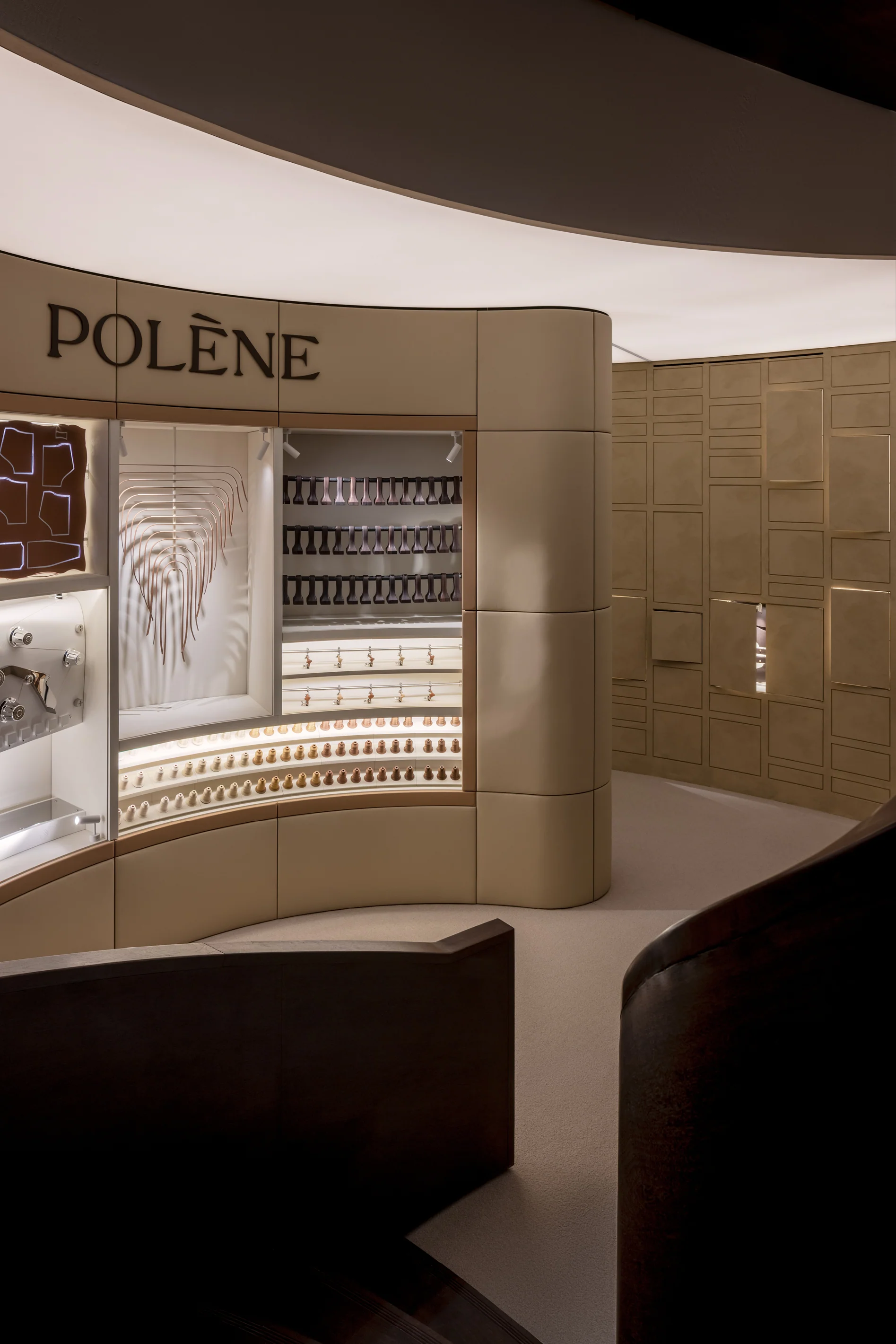
The leather goods brand Polène, meanwhile, focuses on scenography. Its stores do not seek to recreate a workshop: they translate its language. Tools, leather cuttings, and dies are displayed without excessive explanation: visible evidence, integrated into the journey. The compressed leather furniture directly references the brand's expertise. With the Atelier de Curiosités, Polène structures this approach in a space dedicated to craftsmanship. The displays, without being overly demonstrative, translate the craftsmanship behind the bags into poetic language.
Watchmaking shows that this logic goes beyond simple technical demonstration. At Dubai Watch Week last October, Audemars Piguet transformed its pavilion into a cultural journey, combining archives, objects, robots, and fragments of workshops. The aim is not to showcase mechanical precision, but to convey a sense of time, transmission and engineering. Van Cleef & Arpels goes even further with Poetry of Time, where artisans work in front of the public, complications are magnified, and automatons come to life at regular intervals. Mechanics becomes a sensitive, almost narrative language. In a market where prices have risen sharply, these devices are not decorative: they are necessary. They restore the legibility of the price by making tangible what would otherwise remain abstract.
Storyproving is therefore not just a passing trend. This shift is reconfiguring the entire value chain, from product design to the in-store experience. Luxury will no longer be defined by what it hides, but by what it dares to show and bring to life through its expertise. The brands that are successful today are those that give a sensory texture to their storytelling. In the YONO era, luxury will not be reduced to simple possession: it will be the experience of proof. The more sensitive, ritualized, and hospitable the demonstration of expertise, the more it gives the brand something that money cannot buy: emotional legitimacy.
Opinion column for Luxus+
Héroïne is the art of designing experiences that leave a lasting impression. Scenography, space design and sensitive storytelling at the service of your world and the people who inhabit it.


.webp)
.svg)

.svg)